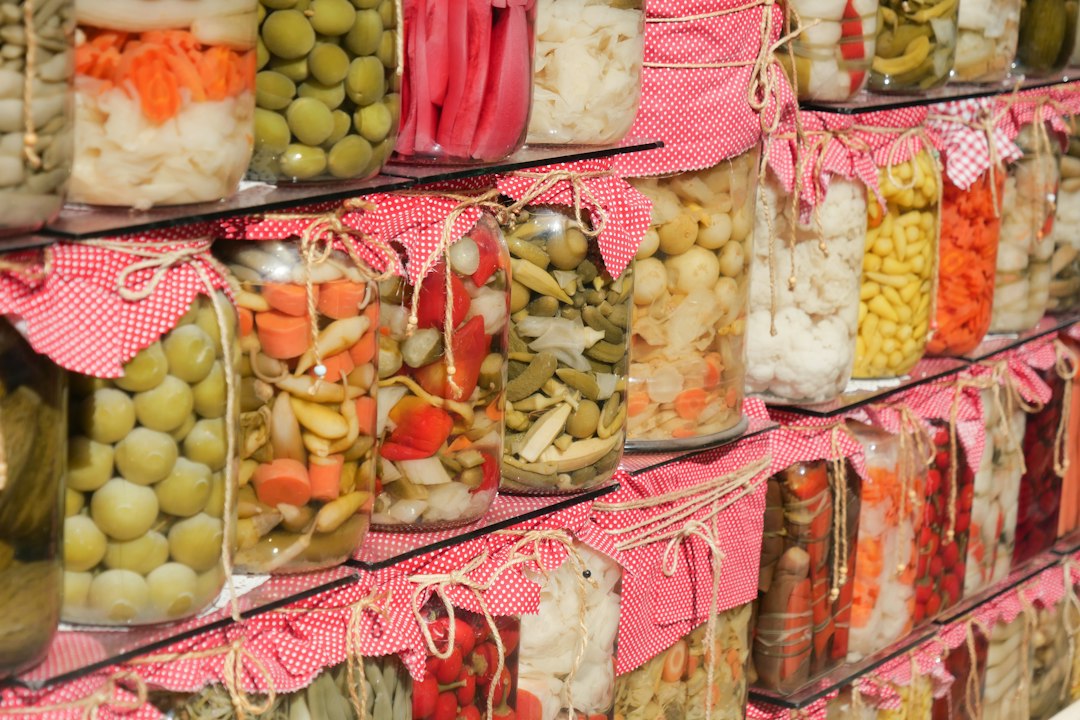
Why Your Gut Is Begging for Fermentation
The modern wellness movement places immense focus on gut health, and for good reason. Inside your digestive tract resides a complex ecosystem of trillions of microbes that influence everything from your immune system to your mood. However, processed foods, stress, and modern dietary habits can deplete this delicate microbial garden. One of the most effective and time-tested methods to restore balance is adding fermented foods to your diet.
Fermentation is an ancient preservation technique where microorganisms like bacteria, yeast, and fungi convert organic compounds—such as sugars and starches—into alcohol or organic acids. This natural transformation not only preserves the food but also creates a powerhouse of live probiotics, vitamins, and enzymes. If you have been wondering how to reap these rewards without overhauling your entire lifestyle, you are in the right place.
Step-by-Step How-To Guides & Tutorials: Easing In Safely
If you are a newcomer to the world of live cultures, diving headfirst into a daily jar of kimchi or drinking a liter of kefir overnight is a recipe for disaster. Introducing massive amounts of beneficial microbes too quickly can shock your digestive system, leading to temporary bloating, gas, and abdominal discomfort.
To make your transition smooth and sustainable, follow these step-by-step guidelines:
- Assess Your Tolerances: If you experience specific digestive sensitivities, such as Irritable Bowel Syndrome (IBS), choose your starting foods carefully. Dairy-sensitive individuals can lean on plant-based alternatives or fermented vegetables, while others thrive on yogurt, lassi, or kefir.
- Start with One Daily Serving: Begin with just one small serving per day. This could be two tablespoons of sauerkraut, a small dollop of Greek yogurt, or a splash of apple cider vinegar in a morning dressing.
- Monitor Your Body's Response: Give your microbiome a few days to adjust to the influx of new bacteria and organic acids. Listen to your body and watch for signs of positive adaptation versus distress.
- Gradually Increase Volume: After a week or two of consistent, small servings, you can slowly ramp up your intake. Aim to incorporate multiple types of fermented foods across different meals to maximize microbial diversity.
How to Incorporate More Fermented Foods into Your Diet Across Every Meal
You do not need to spend hours in the kitchen or completely alter your palate to enjoy the benefits of fermented ingredients. Here is how you can weave them into your daily routine seamlessly.
Breakfast: Kickstarting Your Microbiome
Breakfast sets the metabolic and digestive tone for the day. Because your gut flora is waking up from an overnight fast, it is the ideal time to introduce probiotics.
- Probiotic Smoothies: Blend protein powder, frozen berries, cinnamon, almond milk, half a banana, and a generous scoop of thick Greek yogurt or coconut yogurt.
- Morning Bowls: Top traditional oatmeal or grain-free granola with live-culture yogurt or kefir instead of plain milk.
- Savory Twists: Elevate scrambled eggs, omelets, or breakfast burritos with a spoonful of fermented salsa or a side of avocado garnished with raw sauerkraut.
Lunch: Upgrading Midday Meals
Midday meals are often rushed, but they offer fantastic opportunities to sneak live cultures into your routine without extra effort.
- Salad Enhancements: Chop up fermented pickles and fold them into tuna, salmon, or chicken salads. Use fermented mayonnaise instead of conventional store-bought varieties.
- Sandwich Toppers: Swap standard condiments for lacto-fermented ketchup, mustard, or spicy kimchi layers inside burgers and wraps.
- Crunchy Snacks: Pack a small container of lacto-fermented dilled carrot chips or pickled green beans into bagged lunches for a satisfying, gut-friendly crunch.
Dinner: Savory Pairings and Creative Swaps
Dinner is where flavors shine, and fermented foods provide deep umami notes that elevate simple proteins and grains.
- The Sauerkraut Companion: Serve a small, raw portion of sauerkraut alongside roasted meats, fish, or grain bowls. Explore regional variations like Latin American Cortido, Southwestern kraut, or golden turmeric kraut.
- Warm Soup Finishes: If you are enjoying a hot bowl of soup or chili, let it cool down slightly (so the heat doesn't kill the beneficial bacteria), then stir in a dollop of homemade sour cream, crème fraîche, or kefir.
Pro-Tip: Pair Probiotics with Prebiotics
To get the absolute most out of your efforts, remember that probiotics need fuel to survive and thrive. This is where prebiotics come in. Prebiotics are specialized types of dietary fiber that act as fertilizer for your gut microbes.
| Prebiotic Food Source | How to Pair It | Gut Health Benefit |
|---|---|---|
| Onions & Garlic | Dice into fermented salsas or stir-fries | Feeds beneficial Bifidobacteria |
| Bananas (slightly underripe) | Slice into morning Greek yogurt bowls | Encourages short-chain fatty acid production |
| Asparagus & Apples | Roast asparagus with meals or snack on sliced apples with kefir dip | Enhances overall microbial diversity |
| Whole Grains | Serve fermented side dishes over quinoa or brown rice beds | Sustained microbial nourishment and fiber intake |
Common Pitfalls to Avoid When Eating Fermented Foods
When people begin exploring fermented foods, they often fall into a few common traps. Keep these pitfalls in mind to ensure your journey remains comfortable and effective:
- Buying Pasteurized Products: Many commercial pickles and sauerkrauts found on standard grocery store shelves are pasteurized with heat, which kills off the live bacteria. Always look for refrigerated items labeled "raw," "unpasteurized," or "contains live cultures."
- Ignoring Added Sugars: Sweetened kefirs and flavored yogurts can pack massive amounts of added sugar, which actually feeds harmful gut bacteria and yeast. Opt for plain, unsweetened varieties and sweeten them naturally at home with fresh fruit or a touch of honey.
- Rushing the Process: As emphasized in our step-by-step guide, impatience leads to digestive distress. Let your gut microbiome adapt incrementally.