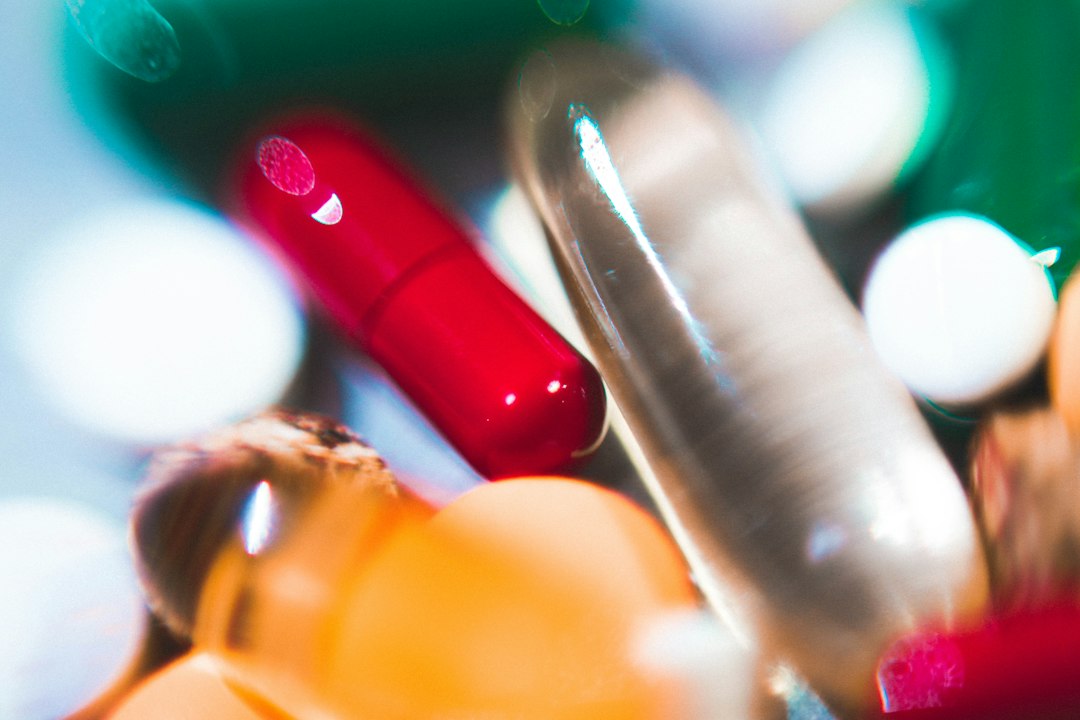
Understanding the Impact: How Antibiotics Affect Your Microbiome and How to Recover
Antibiotics are absolute lifesavers when it comes to stamping out bacterial infections. However, this medical triumph comes with a well-documented collateral cost. When you swallow a course of broad-spectrum antibiotics, the medication cannot distinguish between the rogue pathogens making you sick and the trillions of symbiotic microbes residing quietly in your gastrointestinal tract.
Within just three to five days of starting a prescription, strong antibiotics can wipe out nearly half of your gut’s beneficial bacterial populations—particularly key genera like Lactobacillus and Bifidobacterium. This sudden devastation drops microbiome diversity, weakens the delicate gut mucosal barrier, and leaves the digestive ecosystem vulnerable to opportunistic invaders.
If you have recently finished a course of treatment and are now dealing with persistent bloating, gas, loose stools, constipation, or entirely new food sensitivities, you are witnessing this imbalance—clinically termed dysbiosis—firsthand. Mastering antibiotics gut health recovery requires moving beyond quick fixes and adopting a targeted, patient, and biologically informed restoration protocol.
The Post-Antibiotic Timeline: What to Expect During Gut Science & Maintenance
One of the most common questions individuals ask after finishing a prescription is: How long does it take for the gut to bounce back? The reality is often surprising. While acute digestive distress usually subsides within a few weeks, restoring the microbiome’s original richness and structural stability is a marathon, not a sprint.
According to recent clinical insights, while some baseline populations recover quickly, specialized microbial strains can remain depleted for months or even years. The exact timeline depends on several intersecting variables:
- Type of Antibiotic: Broad-spectrum drugs cause far more systemic collateral damage than narrow-spectrum agents.
- Duration of Treatment: Multi-week courses create a deeper deficit than short, 5-day regimens.
- Baseline Diet and Lifestyle: Individuals consuming diverse, plant-rich diets prior to treatment experience faster resilience.
During the initial recovery window, your gut is in a fragile state. The gut barrier may experience transient permeability (often referred to colloquially as a "weakened gut barrier"), making it more susceptible to irritants. Implementing a structured maintenance routine during this phase helps mitigate discomfort and guides your microbial community back to homeostasis.
Comparing Post-Recovery Strategies: What Works vs. What Doesn't
The wellness market is flooded with conflicting advice on how to repair digestion after medical treatments. To separate outdated myths from modern clinical consensus, let's examine how various interventions stack up against one another.
| Recovery Strategy | Effectiveness Level | Scientific Verdict | Best Practice Approach |
|---|---|---|---|
| High-Dose Multi-Strain Probiotics | Moderate | Good for preventing acute antibiotic-associated diarrhea, but can sometimes delay native microbiome recovery if used indiscriminately. | Use specific strains (like Saccharomyces boulardii or Lactobacillus rhamnosus GG) during antibiotic use, but do not rely on them as a permanent fix. |
| Diverse Prebiotic Fiber Foods | High | Feeds surviving beneficial bacteria and encourages short-chain fatty acid (SCFA) production. | Reintroduce slowly to prevent acute bloating; opt for cooked, soft root vegetables and oats initially. |
| Fermented Foods (Kefir, Sauerkraut) | Very High | Introduces transient live microbes that support an optimal acidic gut environment and calm inflammation. | Incorporate small daily servings (1–2 tablespoons) once basic digestion feels stable. |
| Processed Foods & Refined Sugar | Harmful | Feeds pathogenic bacteria and yeast (like Candida), worsening dysbiosis and gut inflammation. | Strictly minimize or eliminate during the critical 4-to-6-week recovery window. |
Step-by-Step Dietary Protocols for Antibiotics Gut Health Recovery
Diet is your single most powerful tool when undertaking antibiotics gut health recovery. Because your digestive lining is temporarily sensitive, you cannot simply dive back into a heavy, high-fiber raw diet without courting severe cramping and bloating. Instead, follow this phased nutritional roadmap:
Phase 1: Soothe and Protect (Days 1–7 Post-Antibiotic)
- Focus on Simplicity: Eat warm, cooked, and easily digestible foods. Think bone broths, well-cooked lean proteins, white rice, steamed squashes, and peeled, cooked root vegetables.
- Hydration is Key: Drink ample filtered water and herbal teas (such as ginger or peppermint) to support mucosal hydration and flush metabolic waste.
- Targeted Support: If digestion feels sluggish or heavy, incorporating digestive enzyme support during meals can help your body break down nutrients without overworking an already depleted gut lining.
Phase 2: Gentle Reintroduction (Weeks 2–4)
- Gradual Fiber Elevation: Slowly bring back cooked prebiotic fibers like slightly underripe bananas, cooked onions, garlic, oats, and peeled apples. Prebiotics act as fertilizer for your recovering microbial colonies.
- Introduce Ferments: Add tiny portions of live-culture foods—such as plain yogurt, kefir, unpasteurized sauerkraut, or kimchi—to populate the gut with transient beneficial bacteria that assist in lowering gut pH and crowding out pathogens.
Lifestyle Factors and Technical Specs for Long-Term Resilience
Beyond food and supplements, several foundational physiological pillars dictate how successfully your microbiome reorganizes itself. Understanding these Technical Specs of gut maintenance ensures that your recovery isn't undermined by daily habits.
Sleep, Circadian Rhythms, and the Gut-Brain Axis
The gut and the brain communicate constantly via the vagus nerve, a pathway known as the gut–brain connection. Sleep deprivation alters gut motility and shifts microbiome composition toward stress-associated profiles. Aim for 7 to 9 hours of quality, uninterrupted sleep to give your gastrointestinal tract the restorative downtime it requires to repair cellular tissue.
Physical Movement and Motility
Gentle, consistent physical activity—such as daily walking, restorative yoga, or light swimming—enhances intestinal motility. Regular movement prevents stasis, reduces systemic inflammation, and has been shown in clinical studies to positively influence microbiome diversity. Avoid high-intensity burnout workouts immediately following a severe infection, as excessive physical stress can temporarily compromise immune and gut function.
Minimizing Environmental Disruptors
During your recovery window, actively minimize exposure to secondary gut disruptors. This includes cutting back on artificial sweeteners, excessive alcohol, and unnecessary non-steroidal anti-inflammatory drugs (NSAIDs) like ibuprofen, which can further irritate the gastric and intestinal mucosa.