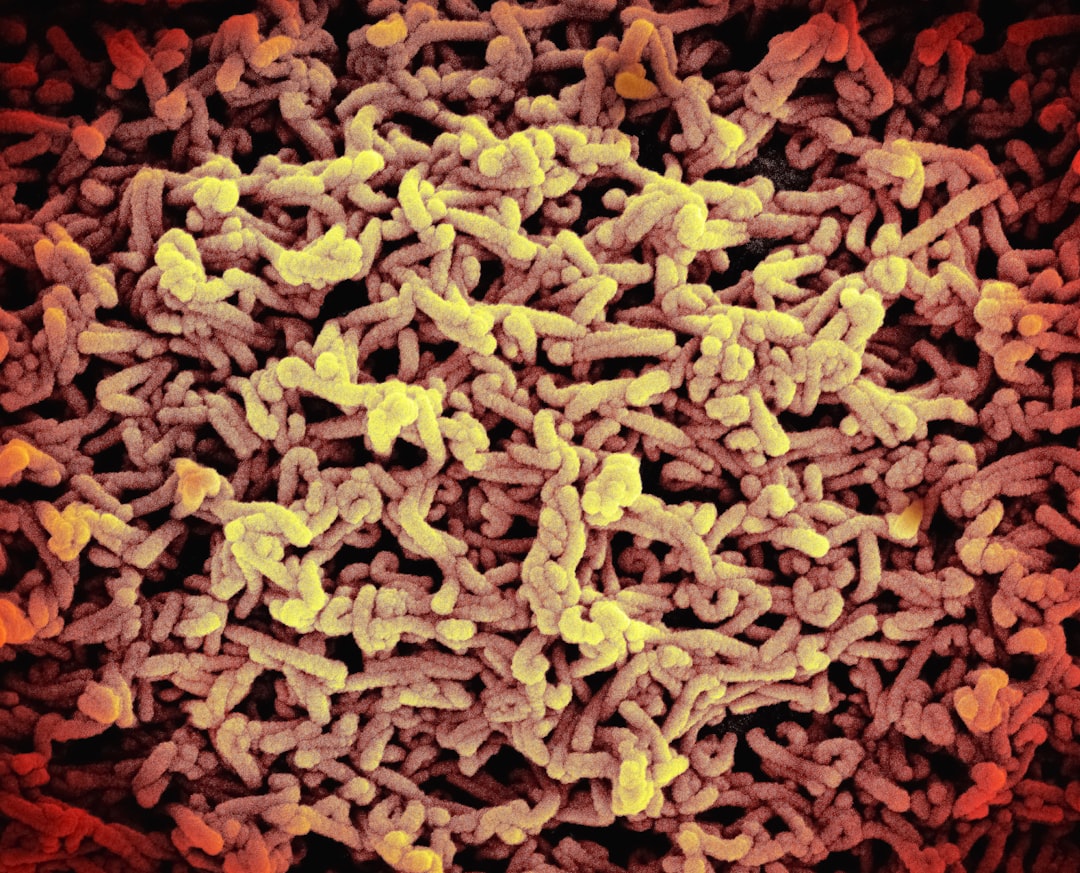
Introduction to the Human Microbiome
In recent years, the study of the human microbiome has emerged as a transformative discipline in modern health research, fundamentally reshaping how we understand biological resilience. Comprising trillions of microorganisms—including bacteria, fungi, viruses, and archaea—residing primarily within the gastrointestinal tract, the microbiome is no longer viewed as a mere passenger ecosystem. Instead, it acts as an active, vital organ system that dictates metabolic regulation, neurological signaling, and immune system function.
At the center of this dynamic ecosystem lies a golden rule of modern biology: variety is vital. Microbiome diversity and immunity are inextricably linked, forming a symbiotic loop that determines how effectively your body defends against pathogens while maintaining internal harmony. When your internal ecosystem teems with a wide array of microbial species, your physiological defense mechanisms operate at peak performance. Conversely, a depleted, homogenous microbiome leaves the host vulnerable to chronic illness, systemic inflammation, and immune dysregulation.
The Science of Symbiosis: How Gut Microbes Train Your Immune System
To truly grasp how microbial ecosystems protect the body, we must examine the intricate mechanics of The Importance of Microbiome Diversity for Immune Health. Roughly 70% of the human immune system resides within the gut-associated lymphoid tissue (GALT). This anatomical positioning means that your immune cells are in constant, direct conversation with your resident gut microbes.
Educating White Blood Cells
A diverse community of microbes acts as an advanced academy for your immune cells. During infancy and throughout life, beneficial bacteria educate naive T-cells, teaching them to distinguish between harmless molecules—such as dietary proteins and friendly commensal bacteria—and dangerous pathogenic invaders like harmful strains of E. coli or influenza viruses. Without a rich variety of microbial tutors, the immune system becomes misdirected, often resulting in either overactive responses (such as allergies and autoimmune conditions) or underactive defenses.
Short-Chain Fatty Acids (SCFAs) as Signaling Molecules
Microbial fermentation of dietary fiber produces powerful metabolic byproducts known as short-chain fatty acids (SCFAs), predominantly acetate, propionate, and butyrate. These compounds serve multiple critical functions:
- Gut Barrier Integrity: Butyrate acts as the primary fuel source for colonocytes (cells lining the colon), strengthening tight junctions and preventing leaky gut syndrome.
- Immune Modulation: SCFAs suppress pro-inflammatory cytokines while stimulating regulatory T-cells (Tregs), which are responsible for preventing runaway inflammation and maintaining immune tolerance.
Technical Specs and Metrics of a Healthy Microbiome
Evaluating gut health requires looking beyond general wellness metrics into the specific markers that define a thriving ecosystem. In the realm of Technical Specs and microbial analysis, researchers and clinicians rely on several key indicators to assess functional capacity.
| Metric / Parameter | Optimal State / Range | Clinical Significance |
|---|---|---|
| Alpha Diversity | High species richness and evenness | Indicates a resilient ecosystem capable of bouncing back from stressors like antibiotic treatments. |
| Firmicutes-to-Bacteroidetes Ratio | Balanced (context-dependent) | Associated with optimal metabolic function and energy extraction from food. |
| SCFA Production Rate | Elevated fecal/plasma butyrate levels | Reflects robust fermentation capacity and strong intestinal barrier defense. |
Advanced metagenomic sequencing allows functional medicine practitioners to look at gene expression within the microbiome, determining not just who is living in the gut, but what jobs they are performing. This high-resolution lens has redefined our approach to chronic disease management.
Modern Threats to Microbial Richness
Despite significant scientific breakthroughs, modern society faces unprecedented hurdles in maintaining microbial health. Medical professionals and public health advocates frequently encounter systemic obstacles when trying to translate clinical findings into everyday public health policy.
Several dominant factors actively erode microbiome diversity at both the individual and population levels:
- The Overuse of Antibiotics: While life-saving, broad-spectrum antibiotics act like a scorched-earth policy in the gut, wiping out beneficial commensal species alongside pathogenic bacteria.
- Processed Diets: Diets heavy in refined sugars, artificial emulsifiers, and ultra-processed foods starve beneficial bacteria while feeding opportunistic, inflammatory microbes.
- Environmental Disconnect: Reduced exposure to natural soil microbes, hyper-sanitized living conditions, and lack of outdoor engagement restrict the natural inoculation of our biological systems.
- Socioeconomic Disparities: Access to fresh, organic, fiber-rich produce and microbiome-friendly foods is often limited in food deserts, exacerbating health inequities.
Gut Science & Maintenance: Actionable Strategies for Restoration
Fortunately, the microbiome is remarkably plastic. Because microbial populations shift rapidly in response to environmental inputs, you can actively reshape your internal ecosystem through targeted lifestyle interventions.
1. Diversify Your Plant Intake
The single most impactful dietary habit for boosting microbiome diversity and immunity is increasing the variety of plants you consume each week. Aim for a target of 30 different plant species per week—including vegetables, fruits, nuts, seeds, whole grains, and legumes. Each plant offers a unique profile of fibers and polyphenols that feed distinct bacterial strains.
2. Prioritize Prebiotics and Probiotics
- Prebiotics: Non-digestible fibers found in garlic, onions, leeks, asparagus, Jerusalem artichokes, and oats that selectively nourish beneficial bifidobacteria and lactobacilli.
- Probiotics: Live microorganisms found in fermented foods like unpasteurized sauerkraut, kimchi, kefir, kombucha, and traditional yogurt that temporarily colonize and support the gut environment.
3. Embrace Strategic Lifestyle Adjustments
Beyond the plate, Gut Science & Maintenance requires managing the broader physiological landscape. Chronic psychological stress elevates cortisol, which alters gut permeability and shifts microbial composition unfavorably. Furthermore, consistent, restorative sleep and regular moderate exercise have both been shown in clinical studies to directly enhance microbial diversity.