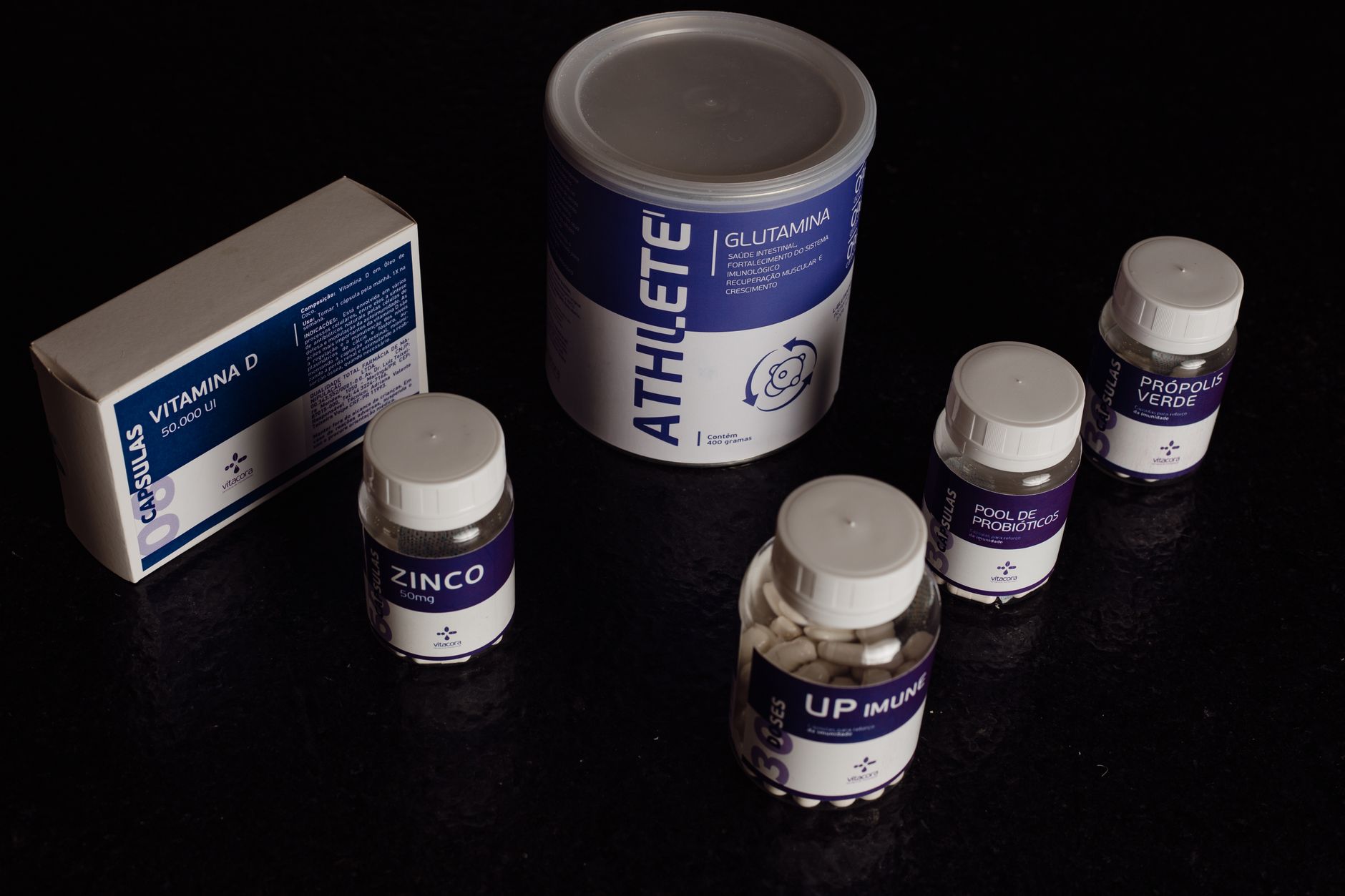
If your gut lining has taken a hit from chronic stress, antibiotic courses, alcohol consumption, or years of inflammatory eating, finding the best l-glutamine for gut health is essential. L-glutamine is one of the few functional amino acids with robust mechanistic backing—it is literally the high-octane fuel your intestinal cells run on.
As the most abundant free amino acid in human blood, L-glutamine plays a monumental role in metabolic function and structural integrity. However, when the body encounters acute physical trauma, intense athletic exertion, or chronic gastrointestinal distress, endogenous production can fall short of metabolic demand. This supply-and-demand deficit is where top-tier supplementation steps in to protect and rebuild.
---
Why L-Glutamine Matters for Gut Repair
The human gastrointestinal tract faces constant exposure to harsh digestive acids, pathogens, and environmental stressors. To protect the rest of the body, the small intestine relies on a single layer of cells known as enterocytes. These cells turn over rapidly—every three to five days—demanding a massive, continuous influx of energy and structural materials.
Enterocytes prefer L-glutamine above all other amino acids to fuel their rapid cellular replication and maintain tight junction proteins. When gut lining integrity is compromised (often colloquially referred to as leaky gut), natural glutamine reserves plummet. Without sufficient stores, the mucosal barrier struggles to repair itself, potentially leading to chronic low-grade inflammation, food sensitivities, and digestive discomfort.
This is why L-glutamine frequently anchors comprehensive gut-repair protocols alongside zinc carnosine, collagen peptides, and soothing botanical extracts. It is not merely a passing wellness trend; it is fundamental biochemical scaffolding.
---
Who Actually Needs a Glutamine Supplement?
Under normal physiological conditions, a healthy individual consuming an adequate amount of dietary protein produces enough L-glutamine naturally. Your skeletal muscle tissue acts as a primary storage and synthesis depot, releasing the amino acid into the bloodstream as needed.
However, certain populations and situations create a metabolic demand that heavily outpaces supply:
- Individuals with Chronic Gut Stress: Those managing Irritable Bowel Syndrome (IBS), inflammatory gut conditions, or post-infectious digestive shifts.
- Frequent Users of NSAIDs: Regular use of nonsteroidal anti-inflammatory drugs can degrade the mucosal lining, elevating the cellular need for repair fuel.
- Endurance and Combat Athletes: High-intensity exercise and overtraining deplete whole-body glutamine pools, occasionally dampening immune function and gut barrier resilience.
- Those Recovering from Illness: Systemic inflammation and metabolic stress draw heavily down on amino acid reserves.
---
How to Evaluate the Best Picks, Top Lists & Buyer Recommendations
Navigating the vast supplement market can feel overwhelming. When evaluating products to curate your own routine, or looking at professional buyer recommendations, certain criteria separate exceptional formulas from mediocre powders.
| Evaluation Metric | What to Look For | Why It Matters |
|---|---|---|
| Purity & Additives | 100% pure pharmaceutical-grade L-glutamine | Artificial sweeteners, sugar alcohols, and heavy fillers can trigger digestive irritation in sensitive guts. |
| Third-Party Testing | Verification by USP, NSF, or Informed-Choice | Ensures that the label accurately reflects the contents and screens for heavy metals or contaminants. |
| Form Factor | Fine pharmaceutical powder vs. capsules | Powders allow for higher therapeutic dosing easily, while capsules offer portability and precise control. |
| Solubility & Taste | Micronized, unflavored, highly soluble | Unflavored powder easily mixes into water, bone broth, or electrolyte drinks without gritty textures. |
---
Top Rated L-Glutamine Supplements for Gut Lining Repair
When curating the market for the Top Rated L-Glutamine Supplements for Gut Lining Repair, medical experts and nutritionists focus heavily on rigorous brand vetting, transparent sourcing, and clinical dosages.
1. Pure Encapsulations L-Glutamine
A perennial favorite among clinical practitioners, this hypoallergenic option offers pure, encapsulated or powdered L-glutamine free from unnecessary excipients, coatings, and common allergens. It is an ideal pick for individuals with severe chemical sensitivities or reactive immune systems.
2. Thorne Glutamine
Thorne is globally recognized for its stringent pharmaceutical-grade manufacturing standards and independent third-party testing. Their micronized powder mixes effortlessly into liquids, delivering clean support for mucosal integrity without triggering bloating.
3. BulkSupplements L-Glutamine Powder
For budget-conscious consumers looking for volume without sacrificing purity, this bulk unflavored powder offers raw, lab-tested L-glutamine. It lacks flavorings and fillers, making it a versatile addition to morning shakes or simple water mixtures.
---
How to Dose L-Glutamine for Gut Support
Strategic dosing is critical for success. Clinical studies investigating gut permeability typically utilize daily doses ranging from 5 grams to 15 grams, often divided into multiple smaller servings throughout the day to optimize absorption and minimize any transient GI upset.
- Start Low: Begin with a modest dose of 2 to 5 grams once daily to assess individual tolerance.
- Scale Gradually: If well-tolerated, work up toward 10 to 15 grams split across two or three daily servings, or follow the specific advice of a qualified healthcare provider.
- Timing: Many practitioners recommend taking L-glutamine on an empty stomach—first thing in the morning or between meals—to maximize its direct availability to enterocytes.
---
Safety, Interactions, and Realistic Expectations
While L-glutamine is generally considered safe for long-term use in healthy adults, certain precautions apply. Individuals with history of liver disease, kidney dysfunction, or bipolar disorder should exercise caution and consult a physician prior to starting high-dose amino acid regimens, as glutamine metabolism influences systemic nitrogen balance and neurotransmitter pathways.
Manage your expectations: L-glutamine is a powerful catalyst for tissue repair, but it works best when paired with an anti-inflammatory dietary pattern, stress mitigation strategies, and adequate hydration. It provides the building blocks; your body still does the heavy lifting of true restoration.