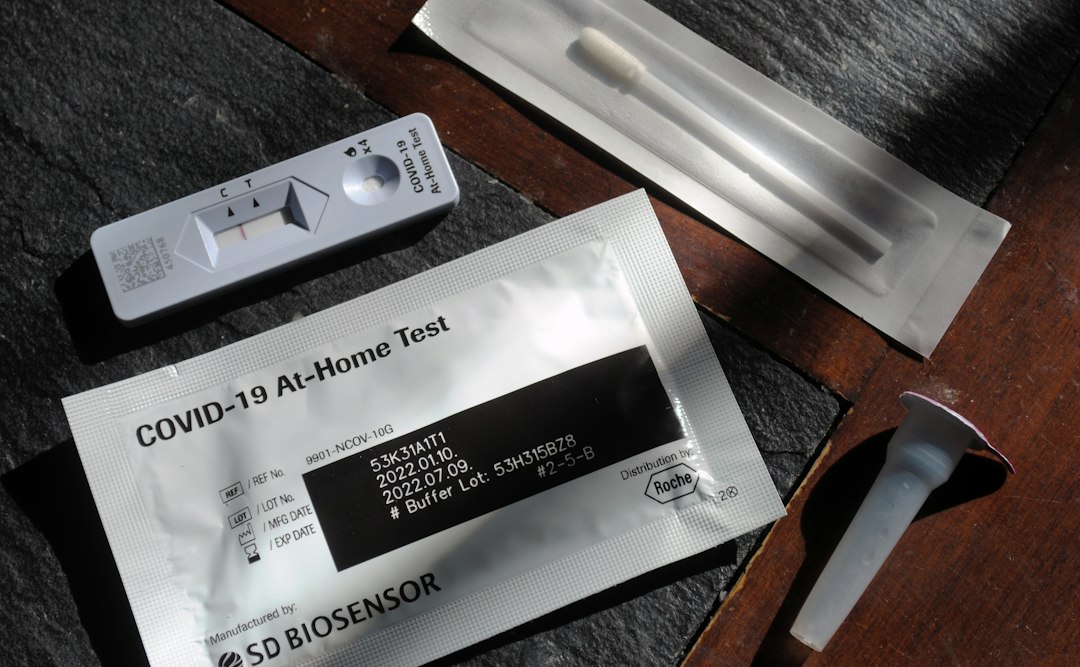
Introduction: Why Gut Microbiome Testing Matters
Your gut is home to trillions of microorganisms—bacteria, fungi, viruses, and archaea—collectively known as the gut microbiome. These microscopic residents influence everything from your digestion and immune function to your daily energy levels, mood, and skin health. What we eat, how much we move, our sleep quality, and our daily stress levels can profoundly impact this hidden ecosystem.
With interest in digestive wellness skyrocketing, demand for at-home microbiome testing has grown rapidly. But how can you really know what is going on inside your digestive tract? The best microbiome test kits promise to bridge this gap, translating complex biological data into clear, accessible insights. Whether you are dealing with chronic bloating, trying to optimize your athletic performance, or simply curious about your overall wellness, an at-home gut test can help you better understand the microbes in your stool sample and guide your next steps.
---
Understanding Gut Microbiome Tests: How They Work
To put it simply, a gut microbiome test is a tool designed to help people better understand the composition of their gut microbiome. The process is typically straightforward:
- Sample Collection: You collect a small sample of stool using the tools provided in your kit.
- Laboratory Processing: The sample is mailed to a specialized lab where technicians extract genetic or metabolic material.
- Data Analysis: The lab analyzes the sample using various scientific methods to identify microbial strains and evaluate their activity.
- Report Generation: You receive a digital or physical dashboard outlining your gut diversity, dominant bacteria, and personalized recommendations.
Key Testing Methodologies
Different companies use distinct technologies to analyze your sample, which directly impacts the depth of your results:
- 16S rRNA Sequencing: A traditional method that identifies bacteria down to the genus level. It is reliable and cost-effective, making it popular for budget-friendly kits.
- Shotgun Metagenomics: A more advanced sequencing technique that decodes all microbial DNA in a sample, allowing researchers to identify species- and strain-level details, including fungi and viruses.
- RNA Analysis / Metabolic Profiling: Used by brands like Viome, this method measures what your microbes are actively doing (their metabolic output) rather than just who is present.
---
Top Picks & Buyer Recommendations
When searching for the Best Picks, Top Lists & Buyer Recommendations, it is essential to align your choice with your personal health goals. Some users want deep clinical-style metrics, while others prioritize simple dietary advice. Here are the leading options currently available on the market.
1. Viome Full Body Intelligence 3-in-1 Test Kit
- Best For: Most comprehensive testing (Gut, Oral, and Cellular health).
- Overview: Viome uses advanced metatranscriptomics (RNA sequencing) to look beyond simple bacterial presence and analyze active microbial gene expression. Their comprehensive dashboard delivers precise food recommendations (foods to "enjoy," "minimize," or "avoid") alongside supplement suggestions.
- Pros: Highly detailed functional insights; pairs gut data with oral and cellular markers; robust actionable guidance.
- Cons: Higher price point; results can sometimes feel overwhelming due to the sheer volume of data.
2. BIOHM Gut Health Test Kit
- Best For: Best value for money and addressing fungal balance.
- Overview: BIOHM stands out by analyzing both bacteria and fungi (yeast) in your digestive tract. Many standard tests ignore fungi, making BIOHM a unique choice for individuals suspecting yeast imbalances. Their reports also offer targeted recommendations for specific digestive issues.
- Pros: Analyzes fungal populations alongside bacteria; accessible pricing; clear, easy-to-digest reporting.
- Cons: Less granular taxonomic depth compared to high-end metagenomic tests.
3. Biomesight Gut Microbiome Test
- Best For: Best budget option and open-data accessibility.
- Overview: Biomesight utilizes 16S sequencing with a strong focus on gut dysbiosis linked to various long-term health conditions. It offers rapid turnaround times through US and UK labs and allows users to download raw data files for further analysis.
- Pros: Affordable price tag; fast processing times; raw data available for biohackers.
- Cons: Focuses primarily on bacteria rather than functional metabolic activity.
---
Best At-Home Microbiome Test Kits Compared
To help you evaluate your options at a glance, the following comparison table contrasts key features across leading testing providers:
| Test Kit Name | Primary Technology | Analyzed Components | Key Strength / Best Feature | Price Range |
|---|---|---|---|---|
| Viome Full Body Intelligence | RNA Sequencing (Metatranscriptomics) | Bacteria, Fungi, Viruses, Human Cells | Deepest functional insights & food pairing | Premium ($$) |
| BIOHM Gut Health Test | DNA Sequencing | Bacteria & Fungi (Yeast) | Comprehensive fungal tracking & value | Moderate ($) |
| Biomesight | 16S rRNA Sequencing | Bacteria | Fast turnaround, budget-friendly, raw data | Budget ($) |
| InnerBuddies | EU-certified DNA Sequencing | Gut Microbiome Flora | Personalized nutrition guidance & EU compliance | Moderate ($) |
---
How to Choose the Right Kit for Your Goals
With so many products available, selecting the right test depends entirely on what you hope to achieve. Ask yourself the following questions before purchasing:
- What is your budget? If you are just starting out and want a general snapshot of your bacterial diversity, budget options like Biomesight offer great value. If you want deep, multi-system functional analysis, investing in Viome may be worthwhile.
- Are you looking for actionable diet changes? Some tests simply provide raw taxonomic data and percentages. If you want a clear list of what to eat for breakfast, lunch, and dinner based on your microbiome, look for kits that emphasize personalized nutrition plans.
- Do you suspect fungal overgrowth? If standard bacterial tests have left you with unanswered questions regarding bloating or sugar cravings, choosing a test that explicitly checks for fungi, such as BIOHM, is a smart strategy.
---
Conclusion
At-home microbiome testing has revolutionized how we approach personal wellness, offering a fascinating look into the microscopic universe operating inside our digestive tracts. While these tests are designed for education and wellness rather than clinical diagnosis, they provide invaluable clues to help you optimize your diet, manage bloating, and support long-term vitality. By carefully weighing your budget, technological preferences, and health objectives against the top choices reviewed above, you can confidently select the ideal kit to jumpstart your gut health journey.