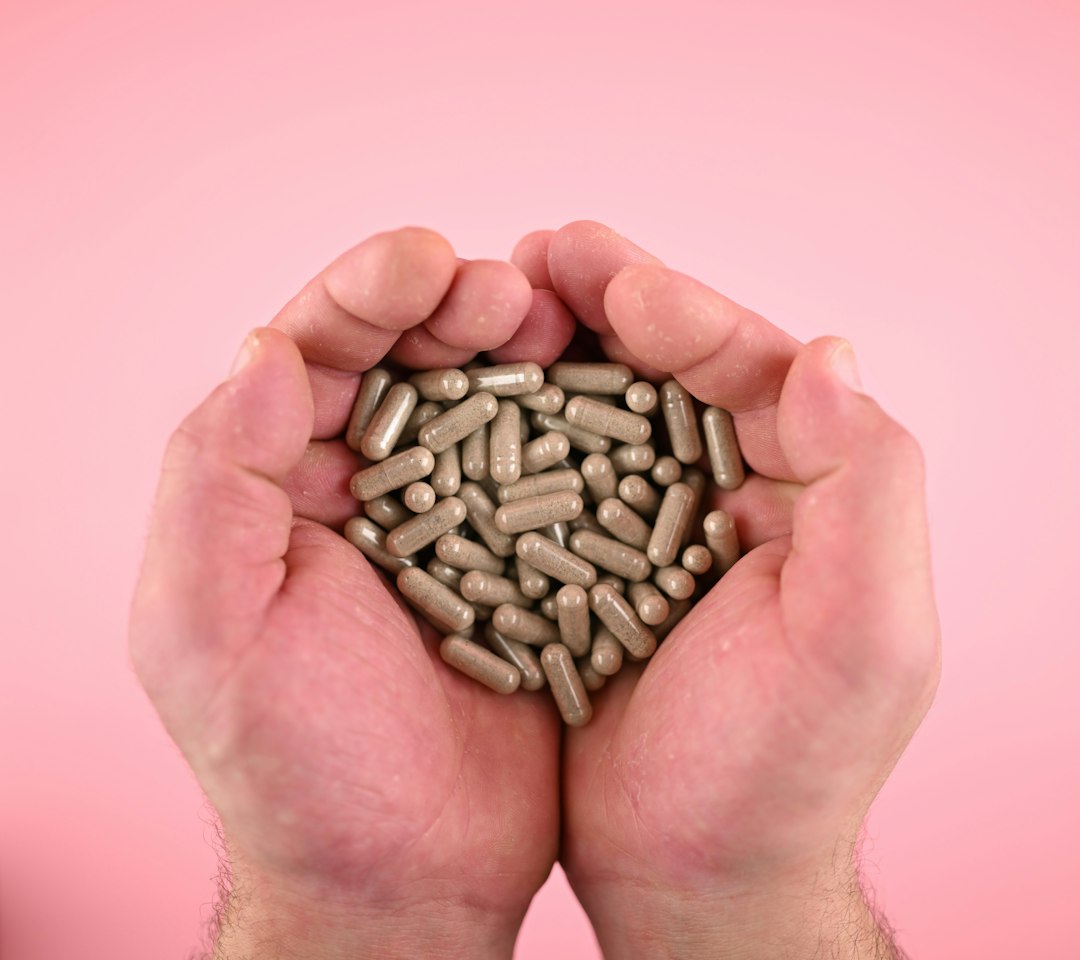
Navigating the Supplement Aisle: Digestive Enzymes vs Probiotics
If you have ever stood in the supplement aisle feeling overwhelmed by the endless rows of bottles promising ultimate gut health, you are certainly not alone. When uncomfortable digestive issues strike—whether it is a heavy, sluggish feeling after lunch, embarrassing bloating, or irregular bathroom habits—many people instantly turn to gut-health supplements for relief.
Two categories dominate the conversation: digestive enzymes vs probiotics.
Because both are heavily marketed for stomach woes, it is easy to assume they do the same thing. In reality, they operate completely differently within your gastrointestinal (GI) tract. Understanding the distinction is essential if you want to find real, lasting relief. This comprehensive guide will explore the nuances of Digestive Enzymes vs. Probiotics: Understanding the Difference, walk you through clear Head-to-Head Comparisons & Vs Pages insights, and help you determine which option fits your body best.
---
What Are Digestive Enzymes? The Body's Chemical Scissors
To understand how digestive enzymes work, imagine them as microscopic scissors. When you eat a meal, your food consists of complex macronutrients—proteins, fats, and carbohydrates—that are far too large for your body to absorb in their current state.
Digestive enzymes are nonliving proteins that speed up the chemical reactions needed to chop these large food molecules into tiny, absorbable building blocks (like amino acids, simple sugars, and fatty acids).
- Where they come from: Your body naturally produces digestive enzymes in your salivary glands, stomach, pancreas, and small intestine. You can also find them in certain whole foods, such as papayas (papain) and pineapples (bromelain).
- When they work: They get to work immediately when food hits your system, tackling the mechanical and chemical breakdown of your meals in real time.
- Common types: Amylase (for carbs), protease (for proteins), and lipase (for fats).
Signs You Might Need Digestive Enzymes
If your body is not producing enough of its own enzymes (a condition sometimes related to aging, stress, or pancreatic insufficiency), food sits in your gut un-degraded. This often results in:
- Immediate post-meal bloating or gas
- A feeling of heaviness or fullness, as if food is "sitting like a brick" in your stomach
- Undigested food particles appearing in your stool
---
What Are Probiotics? The Gardeners of Your Gut Ecosystem
While digestive enzymes act like rapid-fire scissors, probiotics take on an entirely different role. Think of probiotics as skilled gardeners tending to a vast, living ecosystem inside your intestines.
Probiotics are live bacteria and yeasts that help balance your gut microbiome. Your GI tract is home to trillions of microbes—both friendly and unfriendly. When stress, poor diet, illness, or antibiotics disrupt this delicate balance, unfavorable bacteria can take over.
- Where they come from: Probiotics live naturally in fermented foods like yogurt, kefir, sauerkraut, kimchi, and kombucha, as well as in targeted dietary supplements.
- What they do: They work to restore order, maintain harmony, and outnumber unwanted bugs, yeasts, and parasites. They also support immune function, nutrient synthesis, and gut barrier integrity.
- Long-term focus: Unlike enzymes that work on a meal-by-meal basis, probiotics focus on long-term microbiome balance and immune support.
Signs You Might Need Probiotics
An imbalance in your microbiome often manifests as systemic and chronic gut issues, such as:
- Chronic irregularity or alternating bouts of loose stools and constipation
- Post-antibiotic digestive distress
- Skin flare-ups, low energy, or a weakened immune response linked to gut health
---
Head-to-Head Comparisons: Digestive Enzymes vs Probiotics
To make an informed decision about your wellness routine, it helps to view these two powerhouses side-by-side.
| Feature | Digestive Enzymes | Probiotics |
|---|---|---|
| Nature | Nonliving functional proteins | Living microorganisms (bacteria & yeasts) |
| Primary Job | Break down food into absorbable nutrients | Support and balance the gut microbiome |
| Action Timeline | Immediate (works directly on the meal you just ate) | Gradual (builds colony health and long-term GI balance) |
| Natural Sources | Saliva, pancreas, raw papaya, pineapple | Yogurt, kefir, fermented vegetables, supplements |
| Best For | Acute post-meal bloating, heavy stomach, gas | Long-term gut health, immune support, microbiome recovery |
---
Can You Take Digestive Enzymes and Probiotics Together?
One of the most common questions people ask is whether they have to choose between the two. The short answer is: No, you do not have to choose.
Because digestive enzymes and probiotics affect entirely different aspects of gastrointestinal health, many people benefit from taking both. For instance, if you struggle with both immediate meal-related bloating and long-term gut dysbiosis (perhaps following a round of antibiotics), a dual approach can be highly effective.
- How to combine them safely: You can typically take digestive enzymes right at the beginning of a meal to help break down your food, while taking your probiotic at a separate time (such as in the morning on an empty stomach or as directed by the product label) to support your microbiome.
- Listen to your body: Always introduce new supplements one at a time. This allows you to monitor how your digestive system responds before combining them.
---
When to Seek Professional Guidance
While over-the-counter supplements can do wonders for everyday sluggishness and mild bloating, they are not a cure-all. Persistent digestive symptoms should never be ignored. If you experience severe abdominal pain, unexplained weight loss, blood in your stool, ongoing fever, or symptoms that severely disrupt your daily life, it is crucial to consult a qualified healthcare professional. Supplements are designed for general wellness support and are not meant to diagnose, treat, cure, or prevent disease.