When it comes to modern wellness, few terms dominate the conversation quite like gut health. From grocery store aisles packed with kombucha to endless supplement shelf options, buzzwords abound. Among the most common are probiotics and prebiotics. While they sound remarkably similar and are often mentioned in the same breath, they play fundamentally different roles in your digestive ecosystem.
Navigating the world of internal wellness requires a clear understanding of these two components. Whether you are comparing options through Head-to-Head Comparisons & Vs Pages or wondering about Probiotics vs. Prebiotics: Which Do You Actually Need?, this comprehensive guide will break down everything you need to know to optimize your microbiome.
Understanding the Gut Microbiota: The Foundation of Health
Your gastrointestinal tract is home to trillions of microorganisms, collectively known as the gut microbiota or gut flora. This complex community includes bacteria, fungi, and viruses that influence everything from nutrient absorption and immune function to metabolic health and even mood regulation.
Keeping this internal garden balanced requires more than just luck. It demands the right nutritional inputs. To foster a thriving microbiome, you need a combination of live beneficial organisms to populate the gut and the specific fuel those organisms need to survive and multiply. That is where the dynamic duo of prebiotics and probiotics comes into play.
What Are Probiotics?
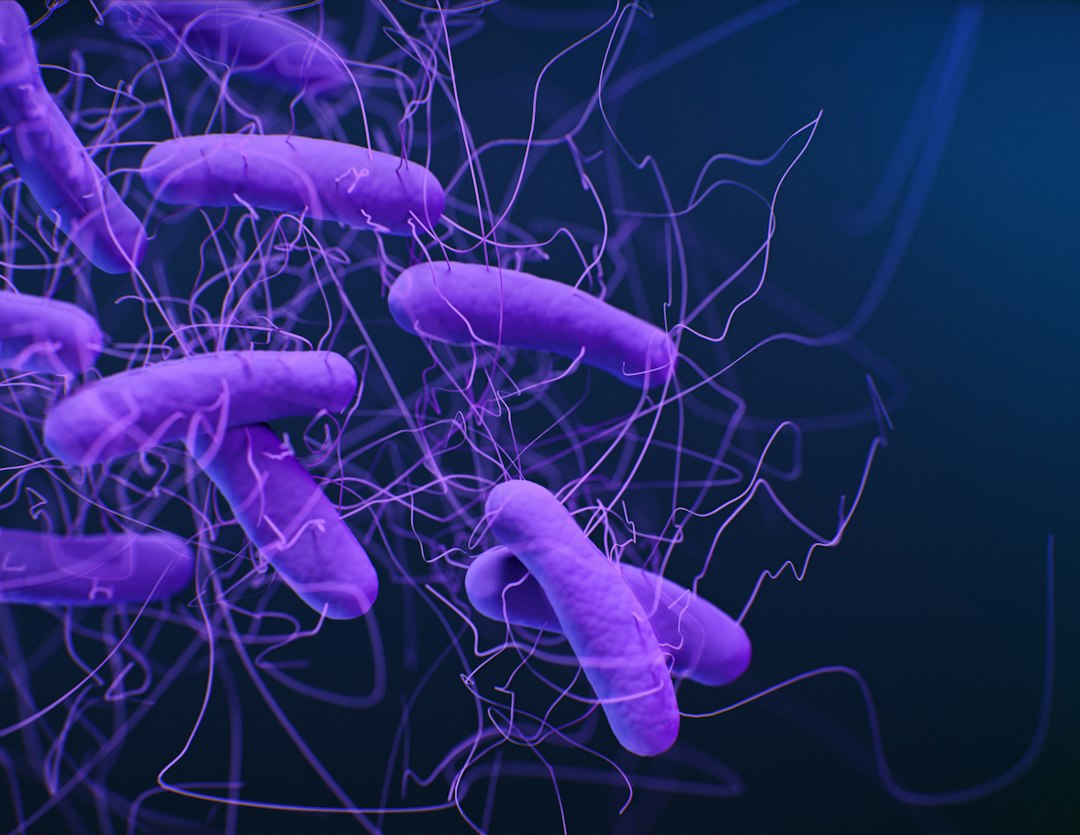
Probiotics are live microorganisms—primarily beneficial bacteria and yeasts—that confer a health benefit on the host when consumed in adequate amounts. Think of them as the hardworking workforce within your digestive tract.
The human body naturally hosts various strains of bacteria, but lifestyle factors like poor diet, stress, sleep deprivation, and antibiotic usage can decimate these helpful populations. Probiotics help restore and maintain a healthy balance, crowding out harmful pathogens, protecting the gut barrier, and supporting immune defenses.
Top Probiotic Food Sources and Benefits
Incorporating probiotics into your daily routine is delicious and straightforward. You can find them abundantly in unpasteurized, fermented foods and specialized supplements. Key dietary sources include:
- Yogurt and Kefir: Packed with live active cultures like Lactobacillus and Bifidobacterium.
- Sauerkraut and Kimchi: Fermented cabbages loaded with diverse bacterial strains.
- Tempeh and Miso: Fermented soy products that offer both protein and beneficial microbes.
- Kombucha: A fermented, effervescent tea rich in organic acids and yeasts.
Decades of clinical research highlight the power of probiotics. Certain strains have been proven to ease constipation, reduce traveler's diarrhea risk, and alleviate symptoms associated with irritable bowel syndrome (IBS) and ulcerative colitis. Furthermore, clinical trials show that taking probiotics alongside a course of antibiotics can reduce the risk of antibiotic-associated diarrhea by up to 60 percent.
What Are Prebiotics?
If probiotics are the workers, prebiotics are their fuel supply. Prebiotics are a specialized type of dietary fiber—specifically, non-digestible carbohydrates—that the human body cannot break down on its own.
Instead of being absorbed in the upper GI tract, these fibers travel intact all the way to the large intestine. Once they arrive, they serve as a selective feast for your beneficial gut bacteria, allowing those microorganisms to flourish, produce short-chain fatty acids (SCFAs), and create an optimal acidic environment that deters harmful invaders.
Where to Find Prebiotics
You do not necessarily need a capsule to get your prebiotics; they are naturally occurring in many everyday plant foods. Excellent sources include:
- Garlic, onions, leeks, and shallots
- Jerusalem artichokes and chicory root
- Bananas (especially slightly underripe, greenish ones)
- Oats, barley, and whole grains
- Legumes, beans, and lentils
Probiotics vs. Prebiotics: Head-to-Head Comparison
To truly grasp how these two nutritional components differ yet complement one another, review the direct comparison below:
| Feature | Probiotics | Prebiotics |
|---|---|---|
| What Are They? | Live beneficial bacteria and yeasts | Indigestible plant fibers and carbohydrates |
| Primary Role | Populate the gut with health-promoting microbes | Nourish and stimulate the growth of good bacteria |
| Digestion | Survives stomach acid to reach the intestines alive | Resists human digestion to reach the colon intact |
| Food Sources | Yogurt, kefir, sauerkraut, kimchi, kombucha | Garlic, onions, bananas, oats, asparagus, legumes |
| Key Benefits | Fights diarrhea, supports immunity, aids IBS relief | Promotes SCFA production, enhances mineral absorption |
Probiotics vs. Prebiotics: Which Do You Actually Need?
The short answer is: you likely need both, but how you incorporate them depends entirely on your current health goals, diet, and lifestyle.
If you are wondering, Probiotics vs. Prebiotics: Which Do You Actually Need?, consider your daily dietary habits:
- If your diet lacks fiber: You may benefit significantly from adding more prebiotics. Without prebiotic fibers, even the most expensive probiotic supplements will lack the nourishment they need to colonize and thrive in your gut.
- If you recently took antibiotics: A targeted probiotic supplement is often recommended to help replenish the beneficial strains wiped out by medication, followed by a fiber-rich, prebiotic diet to sustain them.
- If you experience gas or bloating: Introducing too many prebiotics or probiotics too quickly can sometimes cause temporary digestive discomfort. It is always best to increase your intake gradually and consult a healthcare professional.
Ultimately, prebiotics and probiotics act as a synergistic team. Prebiotics create the hospitable environment and nourishment required for probiotics to do their best work. Focusing on a balanced diet rich in both elements ensures a resilient, thriving microbiome.