Navigating the Probiotic Aisle: Understanding Delivery Systems
Walking down the supplement aisle often feels like decoding a scientific textbook. Between complex strain names, acronyms like CFUs (Colony Forming Units), and a dizzying array of formats, choosing a gut health supplement can quickly become overwhelming. When narrowing down your options, one of the most critical decisions you will face is evaluating probiotic pills vs powder.
The debate extends far beyond mere personal preference or lifestyle convenience. The physical delivery method fundamentally changes how beneficial bacteria travel through your digestive tract, survive harsh gastric environments, and ultimately colonize your gut. Understanding this biological journey helps you select a supplement that actually delivers live cultures to where they are needed most.
While families often begin with gentle options like specialized baby probiotic powders with prebiotic fiber to establish healthy routines early, recognizing how form impacts bacterial survival ensures your daily investment truly supports digestive wellness.
Head-to-Head Comparisons & Vs Pages: Pills vs. Powders
When conducting Head-to-Head Comparisons & Vs Pages research on gut health supplements, the primary question consumers ask is simple: Which format performs better?
To answer this accurately, we must look at how each format interacts with the human body.
The Probiotic Pill Advantage: Protection and Precision
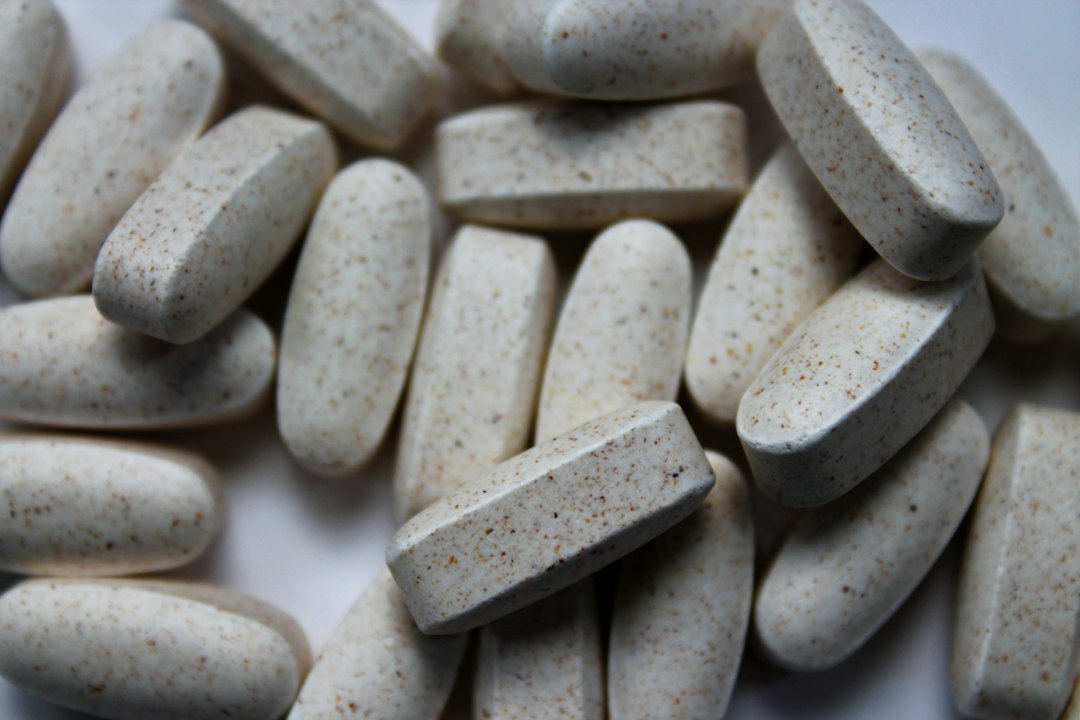
Capsules and tablets are engineered to act as armored vehicles for delicate microorganisms. Because your stomach is designed to neutralize incoming microbes (operating at a hostile pH level of 1.5 to 3.5), unprotected bacteria face a massive die-off within the first 30 minutes of exposure.
Encapsulated probiotics, particularly those utilizing enteric-coated or delayed-release technology, offer significant protection. In simulated gastric-fluid studies, enteric-coated capsules have demonstrated the ability to retain up to 87% viability at 30 minutes and 66% at 60 minutes. Standard, non-coated capsules or loose formats often experience a much steeper drop-off, leaving fewer live cells to complete the journey to the small and large intestines.
The Probiotic Powder Advantage: Versatility and Absorption
On the other hand, Pills vs. Powders: Which Probiotic Delivery is More Effective? is not a closed-case scenario where capsules win outright. Powders offer unique practical advantages. They mix easily with water, smoothies, yogurt, or applesauce, making them the superior choice for infants, toddlers, and adults who struggle to swallow large pills.
Furthermore, laboratory models simulating digestive systems indicate that even when loose powder bacteria face a higher attrition rate in the stomach, the surviving microbes still successfully increase beneficial gut populations and produce health-promoting short-chain fatty acids.
| Feature / Factor | Probiotic Pills (Capsules/Tablets) | Probiotic Powders |
|---|---|---|
| Stomach Acid Survival | Higher (especially with enteric or delayed-release coatings) | Lower unless microencapsulated or formulated with buffers |
| Ease of Administration | Can be difficult for children or seniors with dysphagia | Highly versatile; mixes into liquids, foods, and baby formulas |
| Dosing Flexibility | Fixed dose per capsule; harder to titrate up or down | Easily adjustable serving sizes for custom protocols |
| Shelf Stability | Generally excellent protection against ambient moisture and air | Can be sensitive to humidity if not packaged in single-serve sticks |
How Stomach Acid Sets the Rules for Live Cultures
Your stomach is a biological kill zone, and that is entirely by design. The primary job of gastric acid is to neutralize foreign microbes, and it does not make an exception for the beneficial strains you paid good money for.
Unprotected cultures exposed to simulated gastric juice experience rapid mortality rates. This is why the real comparison is never simply "capsule good, powder bad." Instead, the critical metric is: Which format gets a labeled, clinically studied strain past your stomach and into your intestine in the exact numbers the research used?
That answer shifts depending on the specific bacterial strain and your personal health goals. For instance, robust spore-forming strains (like Bacillus coagulans) naturally possess a hard outer shell that makes them inherently resistant to heat and acid, meaning they perform exceptionally well in both pills and powders. Conversely, delicate strains like Lactobacillus acidophilus or Bifidobacterium infantis require advanced delivery mechanisms, such as delayed-release capsules or specialized microencapsulation powder matrices, to survive the journey intact.
Practical Lifestyle Factors: Fitting Supplements Into Your Daily Routine
While science and survival rates are paramount, real-world adherence dictates whether a supplement works. If a probiotic pill is too large to swallow comfortably, you will likely stop taking it.
- The Busy Professional: Capsules often win here. They can be tossed into a travel bag, taken quickly with a sip of water at your desk, and require zero preparation.
- Parents and Caregivers: Powders excel in family settings. Mixing a flavorless, high-quality probiotic powder into a child's morning yogurt or milk ensures seamless daily compliance without the safety hazards or resistance associated with pills.
- Biohackers and Customizers: Powders allow for precise micro-dosing and easy rotation of specific strains or targeted prebiotic fibers based on functional stool tests or dietary adjustments.
The Verdict: Which One Should You Choose?
Ultimately, neither format is universally "better" than the other; rather, one is better suited to your specific biological needs, age, and lifestyle constraints. If you require targeted support for deep intestinal colonization and want maximum protection against aggressive gastric acid, high-quality delayed-release capsules are an exceptional choice. If you prioritize ease of consumption, flexible dosing, or are shopping for young children, a well-formulated powder is the ideal vehicle.
Regardless of whether you choose pills or powder, always prioritize products backed by human clinical trials, transparent strain designations, and guaranteed potency through the date of expiration.